


Explore the life, career, and legacy of Robert Duvall, the Oscar-winning actor known for The Godfather, Apocalypse Now, and Lonesome Dove. Discover his journey, awards, and lasting impact on American cinema.
Robert Duvall: A Hollywood Icon of Depth, Discipline, and Timeless Talent
Few actors in American cinema have displayed the quiet authority, emotional precision, and enduring consistency of Robert Duvall. Over a career spanning more than six decades, Duvall has become synonymous with authenticity. Whether portraying a hardened military officer, a conflicted consigliere, or a weathered rancher, he brings an unmistakable realism that has shaped generations of film and television storytelling.
From early stage performances to Academy Award-winning roles, Robert Duvall’s career represents a masterclass in dedication and craft. His body of work continues to resonate with audiences across the United States and around the world.
Early Life and Humble Beginnings
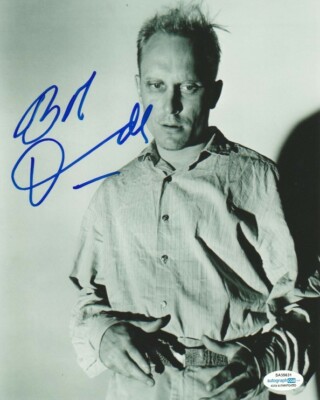
Robert Selden Duvall was born on January 5, 1931, in San Diego, California. Raised in a military family, Duvall grew up with discipline and structure. His father served as a rear admiral in the U.S. Navy, and the family moved frequently during his childhood.
Despite the structured upbringing, Duvall gravitated toward acting. He studied drama at the Neighborhood Playhouse School of the Theatre in New York City, where he trained under the legendary Sanford Meisner. The Meisner technique, known for emphasizing emotional truth and authenticity, would become foundational to Duvall’s acting style.
His early years were marked by small stage roles and television appearances. Like many aspiring actors of his era, he faced financial hardship. Yet persistence defined him. His breakthrough came in 1962 with a small but unforgettable role as Boo Radley in To Kill a Mockingbird. Though he barely spoke a word, his performance left a lasting impression.
Rise to Stardom: The Godfather Era

Robert Duvall’s career reached a new level when he was cast as Tom Hagen in The Godfather. Directed by Francis Ford Coppola, the film became one of the most influential movies in cinematic history.
As Tom Hagen, the adopted son and trusted consigliere of the Corleone family, Duvall delivered a performance defined by restraint and intelligence. Acting alongside legends like Marlon Brando and Al Pacino, Duvall held his own with quiet intensity.
He reprised the role in The Godfather Part II, earning widespread critical acclaim. His portrayal of Tom Hagen remains one of the most respected supporting performances in film history. The character’s calculated calmness perfectly matched Duvall’s natural gravitas.
Apocalypse Now and the Famous Line

In 1979, Duvall took on one of his most iconic roles as Lieutenant Colonel Bill Kilgore in Apocalypse Now. Again directed by Francis Ford Coppola, the Vietnam War epic became a landmark in American filmmaking.
Duvall’s portrayal of Kilgore was both charismatic and unsettling. His line, “I love the smell of napalm in the morning,” became one of the most quoted lines in cinema history. The performance earned him an Academy Award nomination for Best Supporting Actor.
What made the role remarkable was Duvall’s ability to humanize a complex and morally ambiguous character. Kilgore was fearless, obsessive, and oddly poetic. Through subtle expressions and controlled delivery, Duvall made him unforgettable.
Academy Award Glory: Tender Mercies
In 1983, Duvall starred in Tender Mercies, portraying a washed-up country singer seeking redemption. The role showcased a softer, more vulnerable side of his talent.
His performance was understated yet emotionally powerful. Duvall immersed himself in the character’s loneliness and quiet hope for renewal. The result earned him the Academy Award for Best Actor in 1984.
Unlike many Oscar-winning roles driven by dramatic monologues or grand gestures, Duvall’s work in Tender Mercies relied on subtlety. His portrayal reflected a man wrestling with regret and searching for peace. It remains one of the finest examples of minimalist acting in American cinema.
Television Triumph: Lonesome Dove

While Robert Duvall is celebrated for his film work, his television career also stands out. In 1989, he starred as Augustus “Gus” McCrae in the miniseries Lonesome Dove.
Based on Larry McMurtry’s novel, the Western epic became a television phenomenon. Duvall’s performance as the witty, aging Texas Ranger won him a Golden Globe Award and introduced his talent to a new generation of viewers.
Gus McCrae remains one of the most beloved characters in Western storytelling. Duvall infused him with humor, wisdom, and emotional depth, proving once again his versatility across genres.
A Career Defined by Range and Integrity
Beyond his most famous roles, Robert Duvall has built a filmography filled with diverse characters. He has appeared in films such as The Apostle, The Judge, and Secondhand Lions. In The Apostle, which he also wrote and directed, Duvall portrayed a flawed preacher struggling with faith and identity. The role earned him another Academy Award nomination.
Duvall is known for avoiding Hollywood excess. He prefers meaningful projects over blockbuster fame. His commitment to artistic integrity has made him a respected figure among actors and filmmakers alike.
Unlike many performers who rely on dramatic transformation, Duvall’s power lies in nuance. He does not dominate scenes through force; he commands attention through stillness.
Personal Life and Philanthropy
Despite his fame, Robert Duvall maintains a relatively private life. He has been married multiple times and currently resides in Virginia. Away from the spotlight, he supports charitable causes, particularly those connected to the arts and humanitarian efforts.
Duvall has also shown a deep interest in Argentine culture and tango. His appreciation for global traditions reflects a broader worldview beyond Hollywood.
His grounded personality mirrors the authenticity he brings to his roles. He remains approachable, disciplined, and dedicated to his craft.
Awards and Honors
Over the course of his career, Robert Duvall has received numerous accolades, including:
- Academy Award for Best Actor (Tender Mercies)
- Multiple Academy Award nominations
- Golden Globe Awards
- Emmy Award nomination
- BAFTA nominations
- Presidential National Medal of Arts (awarded in 2005)
These honors underscore his influence on American film and television. Yet many critics argue that awards alone cannot capture his full contribution to cinema.
Why Robert Duvall Still Matters Today
In an era dominated by fast-paced franchises and digital effects, Robert Duvall represents something increasingly rare: patient, character-driven storytelling.
His performances remind audiences that great acting is not about spectacle—it is about truth. Younger actors often cite him as an influence, praising his discipline and emotional control.
Duvall’s work continues to inspire film students, critics, and fans. His ability to disappear into roles without seeking attention stands as a testament to his mastery.
Even in his later years, he remains selective yet active, choosing projects that align with his artistic values.
Frequently Asked Questions (FAQs)
1. How old is Robert Duvall?
Robert Duvall was born on January 5, 1931. As of 2026, he is 95 years old.
2. What is Robert Duvall’s most famous role?
He is widely known for playing Tom Hagen in The Godfather and Lieutenant Colonel Kilgore in Apocalypse Now.
3. Did Robert Duvall win an Oscar?
Yes. He won the Academy Award for Best Actor for his performance in Tender Mercies (1983).
4. Was Robert Duvall in Lonesome Dove?
Yes. He starred as Augustus McCrae in the 1989 television miniseries Lonesome Dove.
5. Has Robert Duvall directed any films?
Yes. He wrote, directed, and starred in The Apostle (1997), earning critical acclaim and an Academy Award nomination.
Conclusion
Robert Duvall’s career stands as one of the most respected in Hollywood history. With performances that span crime dramas, war epics, Westerns, and intimate character studies, he has proven that true greatness lies in authenticity.
From The Godfather to Tender Mercies and Lonesome Dove, Duvall has consistently delivered performances that resonate across generations. His legacy is not built on flash or controversy, but on craftsmanship, discipline, and emotional honesty.
As American cinema continues to evolve, Robert Duvall remains a symbol of timeless acting excellence. His work reminds us that powerful storytelling begins with truth—and few actors embody that truth more completely than he does.


0 Comments