

Are you ready to supercharge your fitness routine and break through the monotony of your usual workouts? Fitness challenges might be just what you need to inject excitement and motivation into your exercise regimen.
Imagine the thrill of setting a goal and pushing your limits, all while having fun and feeling a sense of accomplishment. With fitness challenges, you can transform your health journey into an engaging adventure that keeps you coming back for more.
Whether you're looking to shed a few pounds, build strength, or simply add a spark to your daily routine, fitness challenges offer something for everyone. They’re designed to keep you motivated, help you track progress, and even connect you with a community of like-minded individuals. So, why settle for boring workouts when you can turn your fitness goals into an exciting challenge? Dive into the article to discover how fitness challenges can revolutionize your approach to health and well-being, making every workout a step towards a healthier, happier you.
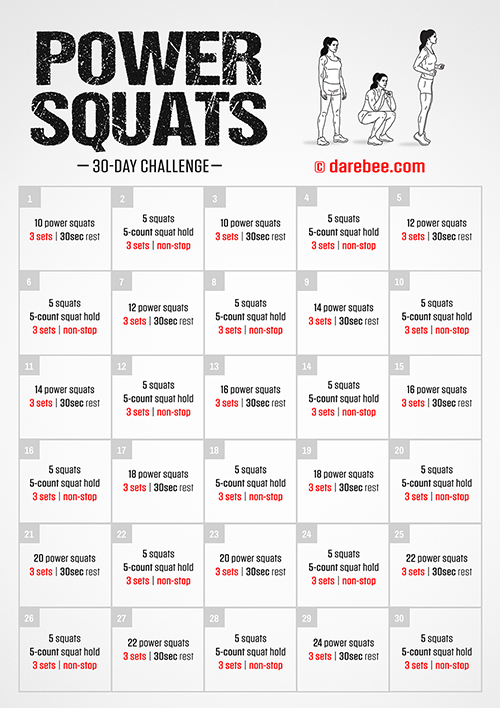
Credit: www.darebee.com
Benefits Of Fitness Challenges
Fitness challenges give you a goal. Goals help you stay focused. You work hard to achieve them. Success feels great. Motivation grows with every step. Friends can join in. You cheer each other on. It makes everything more fun.
Stuck at the same level? Challenges can push you forward. They demand more effort. New routines shake things up. You get stronger each day. Growth happens faster. Your skills improve. Challenges break barriers.
Challenges often bring people together. You meet new friends. Share tips and stories. Support grows in groups. Everyone helps each other. Fitness becomes a team effort. Bonding over exercise creates strong ties. Together, you achieve more.
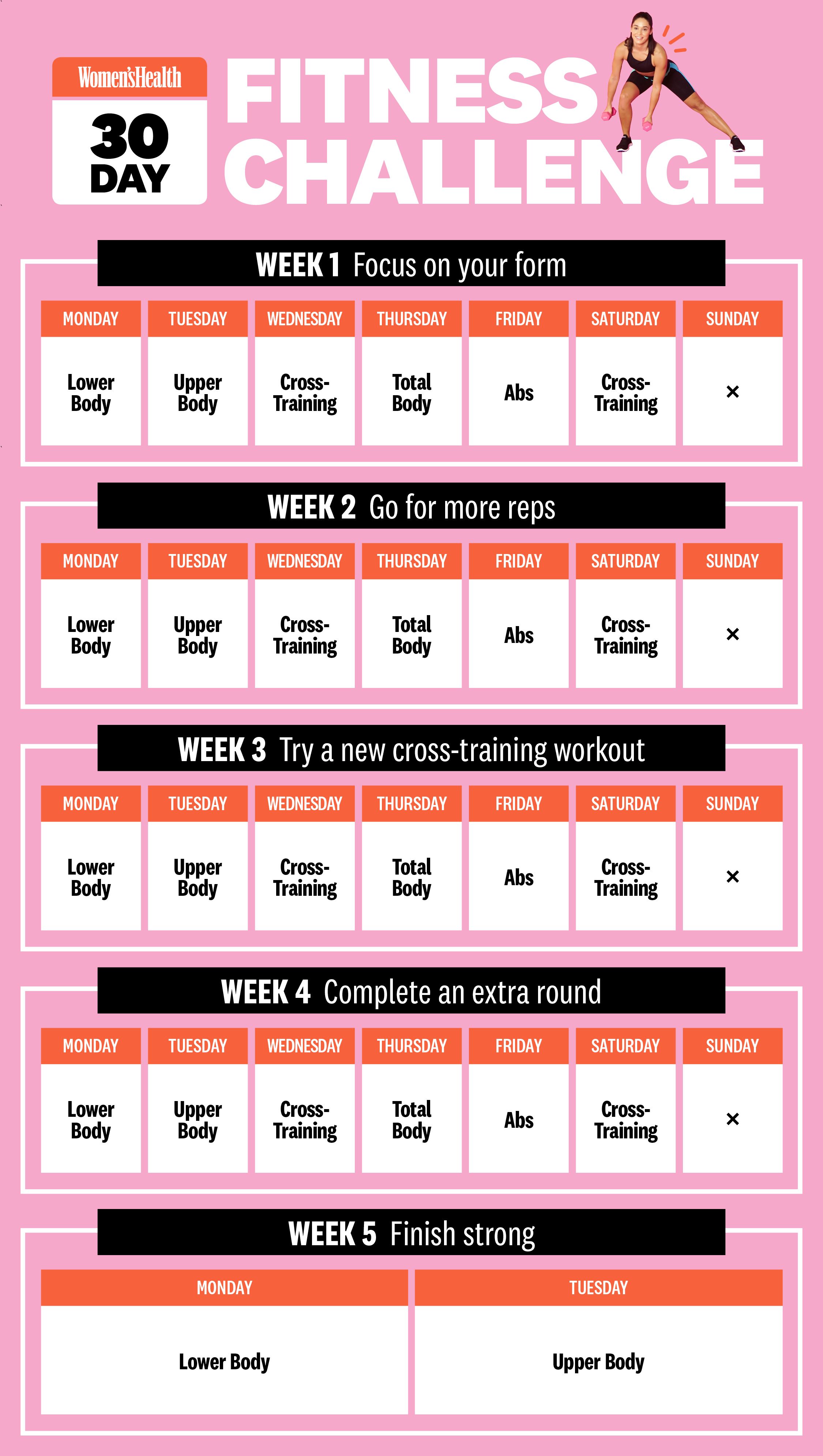
Credit: www.womenshealthmag.com
Types Of Fitness Challenges
Strength-based challenges are great for building muscles. They often include lifting weights or using resistance bands. Push-ups and squats are also popular choices. These challenges help improve body power. They can boost your confidence too.
Endurance challenges test how long you can keep going. Running marathons or long-distance cycling are examples. Swimming laps is another endurance activity. These challenges are good for heart health. They help increase stamina over time.
Flexibility challenges focus on stretching. Yoga and pilates are common choices. They help you become more limber. Improved flexibility can reduce injuries. It also makes daily movements easier.
Setting Personal Goals
Setting fitness goals is important. Think about what you want to achieve. Is it to run faster? Lift heavier weights? Maybe lose weight or gain muscle? Clear objectives help you stay focused. Write them down. Look at them every day. This keeps you motivated.
Check how fit you are now. Can you run a mile? Do ten push-ups? Knowing your current fitness level is crucial. It helps you understand what you need to work on. Track your progress. Keep a journal or use a fitness app. This shows how much you improve over time.
Make targets you can reach. Start small. Maybe add one extra push-up each week. Or run a little longer. Achievable targets keep you from feeling overwhelmed. Celebrate small victories. They lead to bigger successes. Stay positive and keep pushing forward.
Incorporating Challenges Into Your Routine
Find a challenge that fits your daily routine. Morning might be best for some. Others might prefer afternoon or evening. The key is consistency. Stick to the schedule you choose. This helps build a habit. Make small changes to your routine. This can help you keep up with the challenge.
Choose a challenge that interests you. Running, yoga, or dance are great options. Pick something you enjoy. This keeps you motivated. Start with simple challenges. Gradually try harder ones. Joining a group can be fun. Friends make challenges more exciting.
Keep a record of your workouts. Use a notebook or app. Write down what you do each day. Check your progress every week. Celebrate small victories. This boosts your confidence. Tracking helps you see improvement. Adjust your goals as needed.
Overcoming Common Obstacles
Busy schedules can make workouts tough. Short workouts are helpful. Try a 15-minute session. Use breaks wisely. Morning routines are great. They start your day fresh.
Injuries can slow you down. Listen to your body. Gentle exercises are key. Swimming and walking are good options. Always consult a doctor first. Modify exercises if needed.
Motivation can dip sometimes. Set small goals. Celebrate small wins. Friends and family can help. Join a community or group. Keep track of your progress. Visual reminders work well.
Celebrating Achievements
Rewards and Recognition play a big part in fitness challenges. Small gifts or a special certificate can make someone feel proud. A pat on the back or a cheer from friends also helps. Rewards can be simple but meaningful. They encourage people to keep going and do their best. Feeling appreciated boosts confidence and happiness.
Reflecting on Personal Growth is important after a fitness challenge. It's good to think about what you learned. Maybe you ran faster or lifted more weight. These changes show how much you've grown. It's not just about winning. It's about getting better every day. Even small steps count.
Setting New Goals is the next step after celebrating. Think about what you want to do next. Maybe a longer race or a new exercise. New goals keep the journey exciting. They push you to try harder and stay active. Always aim for something bigger and better.
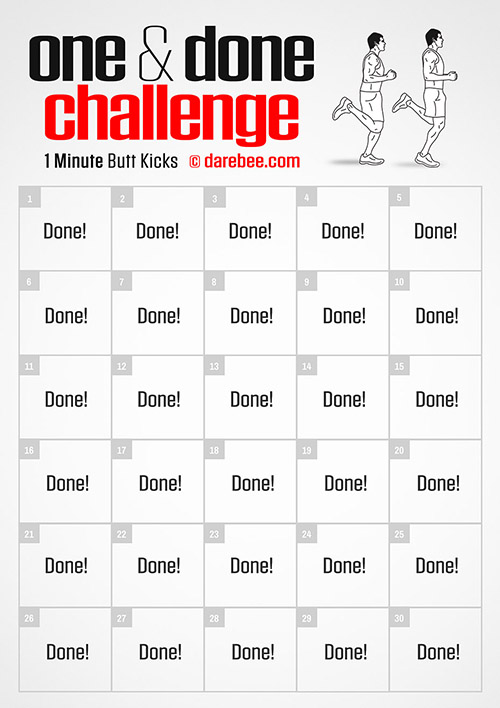
Credit: darebee.com
Frequently Asked Questions
What Are Good Workout Challenges?
Try 30-day plank challenges for core strength. Opt for squat challenges to tone legs and glutes. Pursue push-up challenges to build upper body strength. Engage in running challenges for endurance. Explore yoga challenges for flexibility and balance. These workouts are effective and motivational.
What Are Examples Of Physical Challenges?
Physical challenges include running, rock climbing, hiking, swimming, cycling, weightlifting, yoga, obstacle courses, and team sports. These activities improve fitness, strength, and endurance. Engage regularly to boost physical health and mental well-being.
What Is The 75 Hard Fitness Challenge?
The 75 Hard Challenge is a mental toughness program. Participants follow strict daily tasks for 75 days. Tasks include two 45-minute workouts, one outdoors, drinking a gallon of water, reading 10 pages of non-fiction, and following a diet without cheat meals or alcohol.
What Is Similar To 75 Hard?
Programs similar to 75 Hard include Live Hard, 30 Hard, and Phase 1. These involve mental toughness challenges, daily workouts, strict diets, and personal development tasks. Fitness challenges like P90X and Insanity focus more on physical transformation. Choose one based on your goals and commitment level.
Conclusion
Fitness challenges spark motivation and build discipline. They offer a fun way to stay active. Each challenge brings new goals to achieve. It’s about pushing limits and discovering strength. Joining a challenge creates community and support. Progress becomes more rewarding with friends.
Celebrate every milestone along the journey. Remember, consistency is key in fitness. Small steps lead to big changes over time. Embrace the challenge and enjoy the process. Engage in activities you love. Find what works best for you. Stay committed and watch your fitness improve.


0 Comments